Blog
How Local Distributors Can Compete with Cheap Flooring Suppliers
2026-09-21 | Jason | Eshsire Group | 5 min read
Market Import Guides
What would make compete with cheap suppliers workable in distributor? Start with the physical product system, not a collection of attractive catalog pictures. For SPC flooring, surface, core, profile and available options can reveal whether the quoted option is the same one the buyer expects to receive. the buyer building a sellable range should then connect that approval to packing, order timing and the requirements of the destination market. This article follows that practical sequence so the purchase decision has a clear reference after the inquiry ends.
What this product is
compete with cheap suppliers should first be translated into an intended use, target customer and acceptable range position. A distributor-stock program needs repeatable colors and manageable replenishment, while a named project may give more weight to a particular finish, delivery sequence or installation constraint. Writing that context at the top of the inquiry prevents the supplier from answering a specific question with a generic quotation.
Construction and selectable finishes
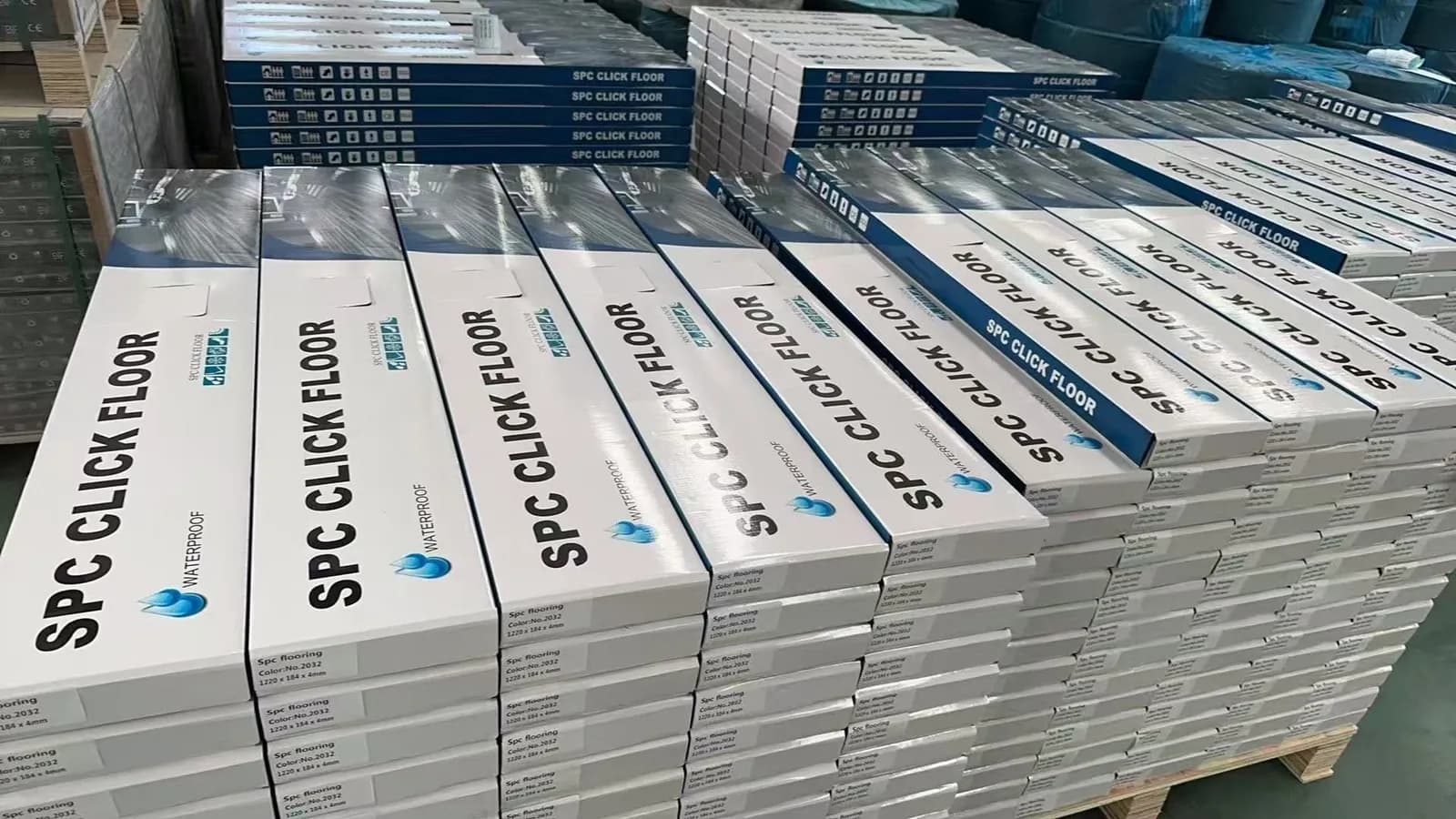
The product description should list overall thickness, wear layer, click profile, surface, optional backing, carton and pallet method. Buyers should ask what is included, what is optional and which details change the cost or loading quantity. A quotation is only comparable when each supplier responds to the same written build. If one offer omits backing, accessories, pallets or branded cartons, a lower number may not represent a lower delivered cost.
B2B planning table
| Planning point | What to define | Why it matters |
|---|---|---|
| Application | distributor | Defines traffic, comfort and presentation priorities |
| Product build | Thickness, wear layer, click profile and optional backing | Keeps quotations comparable |
| Sample | Color, surface, edge, joint fit and carton mock-up | Creates an approval reference |
| Order | Quantity, batch plan, cartons, pallets and loading | Connects unit price with landed risk |
A sample that shows the real build
Samples are decision tools rather than sales souvenirs. The team should compare physical planks under the same light, test click fit across several cartons, and record the accepted result with photos or a signed reference. Sample labels should include the code and key build. That reference then follows the purchase order, production check and claim procedure instead of disappearing after the initial meeting.
Working checks for this order
- Compare physical planks under the same light.
- Test click fit across several cartons.
- Confirm wear layer and backing in writing.
- Approve carton marks before printing.
Suitable use and installation context
For distributor, the installation team needs information before materials arrive. Substrate or wall condition, expansion or edge treatment, cutting loss, trims and cleaning routines can change the recommended solution. A supplier can explain its product system, but the local contractor remains responsible for checking site conditions and local requirements. This boundary should be clear in the project file.
How the product is supplied
Commercial control continues after the sample is approved. The buyer should confirm batch grouping, color-code labels, packaging strength, pallet or bundle method and the evidence expected before shipment. Useful evidence may include production photos, measurement records, packing photos and loading views. The request should be proportionate to the order and agreed before production starts.
Comparing available options
The safest short list is built on evidence and communication quality. Buyers can compare response completeness, willingness to clarify options, sample consistency and the ability to repeat an approved construction. A supplier that identifies missing information early is often easier to manage than one that gives an instant price without defining the product.
Building a repeatable product range
A clear next step is to send the application, destination, target quantity and required overall thickness, wear layer, click profile, surface, optional backing, carton and pallet method in one inquiry. Ask the supplier to identify assumptions instead of hiding them in a short quotation. Review a physical sample, close the packaging and accessory details, and keep the approved reference for shipment control. This process turns compete with cheap suppliers into an order that sales, technical, production and logistics teams can all understand.
The same file can support repeat orders. Record approved codes, acceptable tolerances, carton artwork revision, packing count and any project-specific note. When market feedback arrives, change one controlled variable at a time. That discipline helps a distributor improve the range without losing track of which construction, finish or packing method produced the result.
After delivery, the buyer should collect structured feedback from warehouse staff, installers and sales teams. Damage patterns, slow-moving colors, installation questions and repeat inquiries reveal different issues. Feeding those observations into the next specification is more useful than changing products after one isolated complaint or one unusually successful project.
A buyer should also separate mandatory requirements from preferences. Mandatory points belong in the purchase specification and inspection record. Preferences can be ranked by commercial value, such as a wider color choice, a different surface or a particular carton presentation. This distinction keeps negotiations productive when price, lead time and loading efficiency need to be balanced.
Before payment milestones are agreed, the purchasing team should assign an owner for sample approval, artwork approval, production updates and shipping documents. Named ownership reduces delays and prevents contradictory instructions. For a multi-product or mixed-container order, one consolidated checklist is especially important because packing dimensions and loading sequence can affect every product group.
In this distributor scenario, compete with cheap suppliers should be checked against physical SPC flooring planks, joints and optional backing. The buyer can ask which detail is confirmed in the approved sample, which detail is an optional quotation item, and which requirement belongs to the local contractor or importer. This separates a useful product decision from an unsupported performance promise and keeps the order file practical for replenishment.
Frequently Asked Questions
What should buyers define first for compete with cheap suppliers?
Define the destination market, distributor application, target quantity and the complete product build before comparing quotations.
What sample evidence is useful before a bulk order?
Approve the real surface, construction, edge or joint details, color code and relevant packaging or accessory sample, then retain the reference for production checks.
How can Eshsire support this order?
Eshsire can discuss specifications, samples, OEM packaging, order updates and export packing after the buyer provides the application, quantity and destination.
Plan a distributor order with Eshsire
Send the target specification, quantity, destination and sample requirements for a focused B2B quotation.